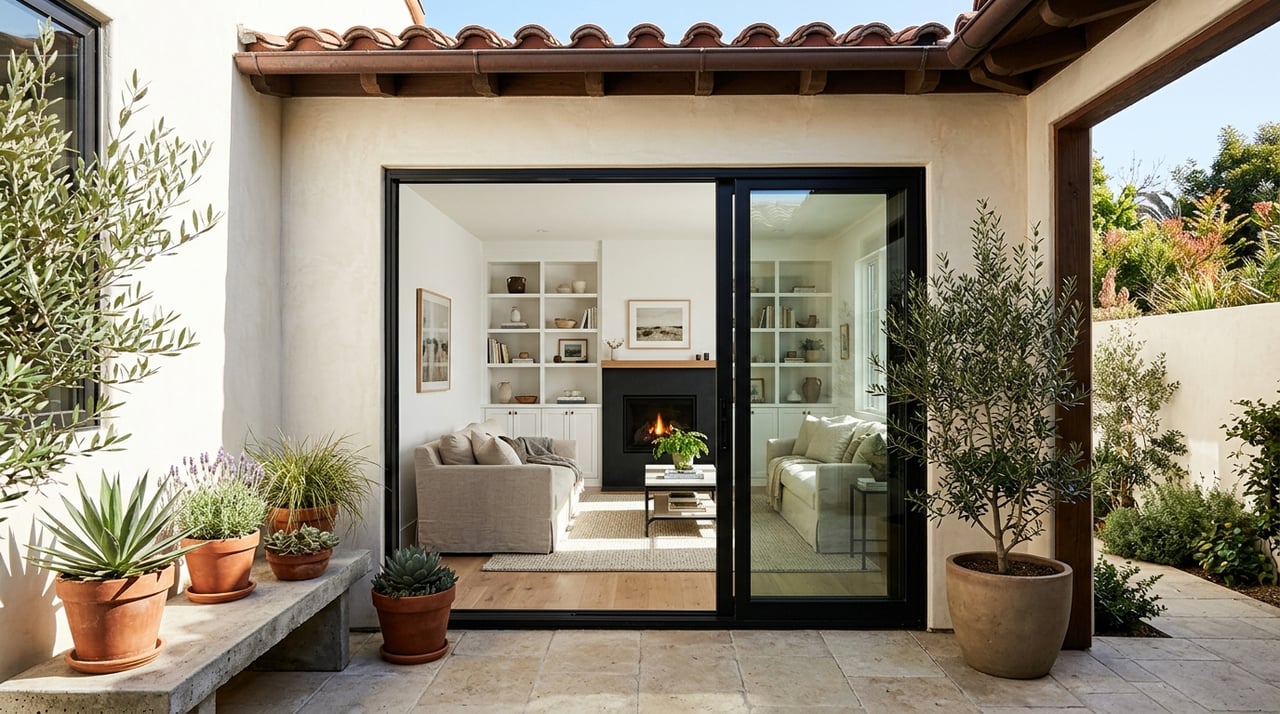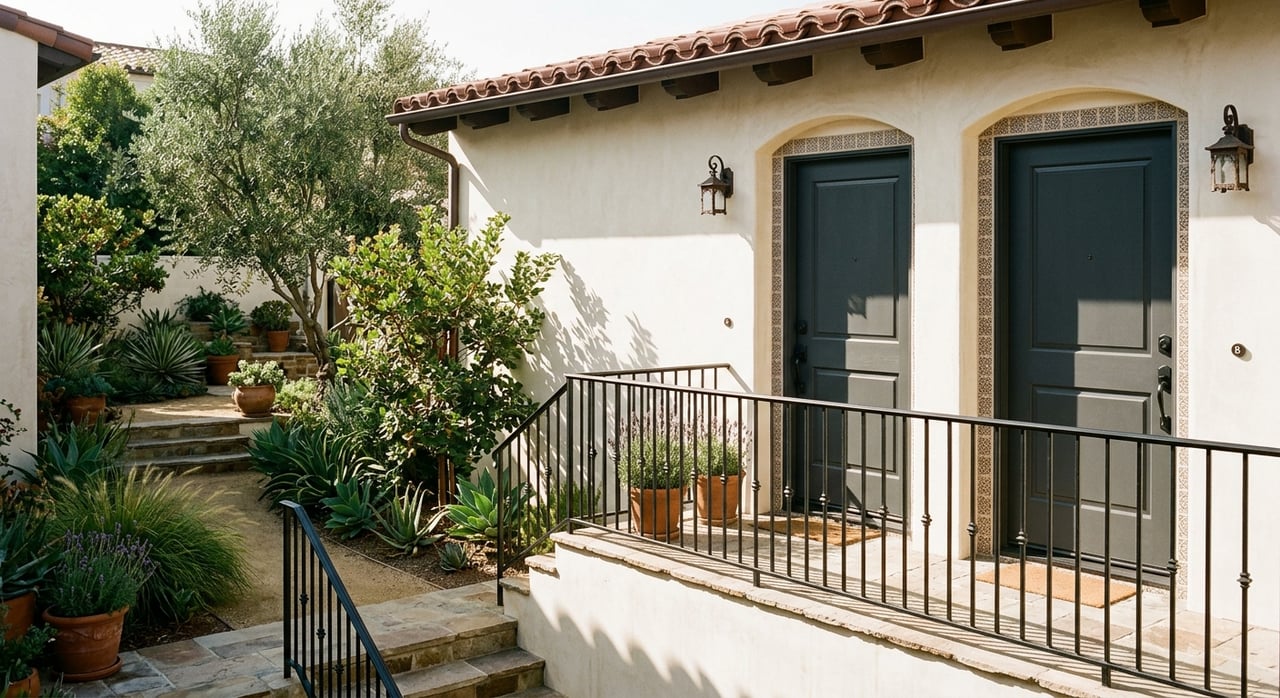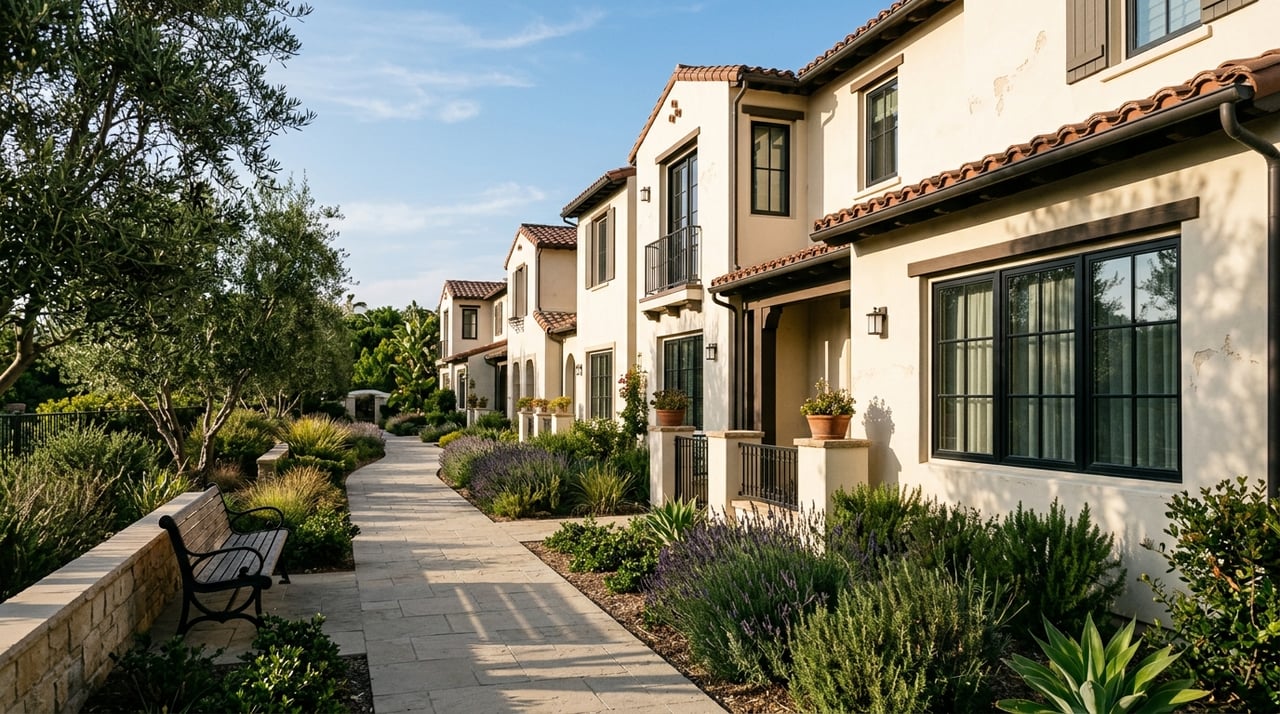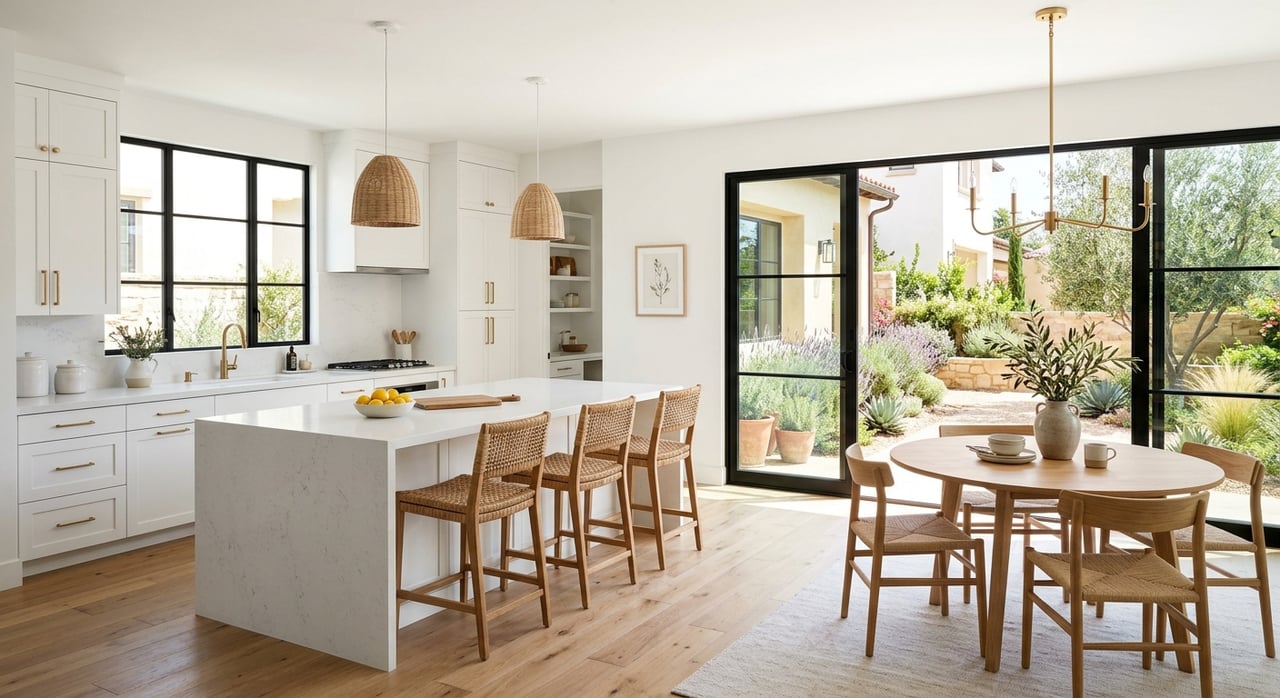
If you are thinking about 55+ living in Orange County, you may already know one thing: not all senior communities feel the same. Some offer a large, amenity-rich lifestyle with transportation, clubs, and on-site recreation, while others are simpler condo or apartment settings with fewer shared features. Understanding those differences can help you choose a community that fits your budget, daily routine, and long-term plans. Let’s dive in.
What 55+ housing means
In California, senior housing can include age-restricted communities for adults 55+ and, in some cases, 62+. These communities may be apartments, condos, townhomes, cottages, or some mobilehome parks, and many include shared spaces like clubhouses, pools, fitness centers, theaters, libraries, or pickleball courts, according to the California Department of Aging.
It is also important to know what 55+ housing is not. Independent senior communities are different from assisted living, continuing care retirement communities, and nursing homes, which provide more support and care services. If you are comparing options for yourself or a family member, that distinction matters right away.
At the federal level, HUD explains that a 55+ community generally must have at least 80% of occupied units with at least one resident age 55+, along with policies and procedures that show the community intends to serve older adults under the Housing for Older Persons rules. On top of that, each community may have its own occupancy standards, approval procedures, and resident rules.
Why Orange County stands out
Orange County covers 34 cities, 798 square miles, and 42 miles of coastline. It also has a large and growing older-adult population. County data estimates about 529,832 residents are age 65+, and adults 65+ make up roughly 17% of the population, a share projected to reach 36% by 2060, according to the Orange County Office on Aging.
That growth matters when you compare 55+ living options. It means there is strong interest in housing that supports independent living, convenience, and community connection. It also means buyers need to look carefully at affordability in a market where Zillow estimated the average Orange County home value at about $1.19 million as of March 31, 2026.
Orange County is also a high-cost market, and county planners estimate about 28% of adults 65+ do not have enough income to meet basic needs. That makes monthly cost, HOA dues, transportation access, and nearby services just as important as the purchase price.
Main 55+ community types
Large master-planned communities
If you want a more self-contained lifestyle, a large master-planned community may be the best fit. These communities often include extensive recreation, multiple clubhouses, transportation, organized activities, and layered governance structures.
A leading example is Laguna Woods Village, which reports more than 18,600 residents across 2,095 acres. The community includes multiple housing corporations and associations, along with shared amenities such as a bus system, security, clubhouses, pools, golf courses, an equestrian center, and more than 250 clubs.
This type of setting can appeal to buyers who want daily activities close to home. It can also work well for out-of-state buyers or adult children helping a parent, because many lifestyle needs may be addressed within the community itself.
Smaller condo or townhome enclaves
Some buyers prefer a quieter, more conventional neighborhood feel. Smaller age-restricted condo or townhome enclaves usually have fewer resort-style amenities and depend more on the surrounding city for parks, shopping, transit, and services.
That can be a strong option if you want less complexity or if you are focused more on location than on on-site programming. In California, many planned developments, condominiums, community apartments, and stock cooperatives with five or more units are governed by an HOA, according to the California Department of Real Estate.
Senior rental communities
Ownership is not the only path. Senior rental or apartment communities can be worth considering if you want less upkeep, are relocating from out of state, or want time to evaluate different areas before buying.
California housing guidance notes that age-restricted senior communities can include apartments as well as ownership options, often with shared gathering spaces and recreational amenities. For some households, renting first can make the transition smoother and less stressful.
Compare lifestyle, not just amenities
A clubhouse and pool may sound great, but the better question is how a community supports your real daily life. When you compare 55+ options across Orange County, focus on what you would actually use each week.
Start with practical questions such as:
- Is transportation available on site or nearby?
- Are there clubs, classes, and hobby spaces you would enjoy?
- What fitness, recreation, or outdoor options are offered?
- How does guest access work?
- What are the pet rules?
- Is security part of the community structure?
Large communities may offer much more on site. For example, Laguna Woods Village amenities include a wide range of recreation and programming, while smaller communities may provide only basic common areas.
Look closely at HOA fees and governance
When you compare communities, monthly dues should never be treated as just another line item. In common-interest developments, HOAs are responsible for maintaining common areas, enforcing rules and CC&Rs, and collecting dues and assessments, as described by the California Department of Real Estate.
That means your monthly payment may cover very different things from one community to another. One HOA might include broad amenity access and shared services, while another may cover only core exterior maintenance and common areas.
You should also ask how the community is governed. In a large community, the structure may be more complex than in a standard condo project. Laguna Woods Village, for example, separates housing mutuals from the foundation that manages shared amenities and from the management company, so it is important to understand who handles transportation, recreation, security, and maintenance before comparing dues and services.
Check reserves and assessment history
In older communities, reserve strength matters. California Civil Code section 5605 generally limits regular assessment increases above 20% and special assessments above 5% of budgeted gross expenses without member approval, under the state civil code.
That does not mean assessments cannot change. It means you should review the budget, reserves, and maintenance outlook carefully. The Department of Real Estate says HOA budgets should disclose income and expenses, cash reserves, estimated remaining life of common facilities, and reserve procedures.
For you as a buyer, this helps answer a simple but important question: are the dues supporting long-term upkeep, or could larger costs be more likely later? In a mature 55+ community, that question can shape affordability just as much as the sales price.
Aging in place matters
Another smart way to compare 55+ communities is to think beyond your move-in day. Ask how the community and the surrounding area may support you over time.
If a community does not provide its own transportation or support systems, county resources may become more important. The Orange County Office on Aging offers services including low-cost senior non-emergency medical transportation and case management that can connect older adults with housing, meals, transportation, and home-safety modifications.
You should also consider how close the community is to groceries, medical care, family, and everyday errands. Orange County includes both inland and coastal settings, so location can shape your day-to-day convenience just as much as the community itself.
True cost of living in a 55+ community
The real monthly cost of 55+ living in Orange County is rarely just the mortgage or purchase price. In a high-cost market, you need to factor in HOA dues, possible special-assessment risk, reserve health, and any community-specific fees.
This is especially important if you are comparing a large amenity-rich community with a smaller, simpler enclave. A higher monthly fee is not automatically better or worse. It depends on what is included, how well the community is funded, and whether the services match your lifestyle.
A clear side-by-side comparison can help you avoid surprises. If you are weighing options in Laguna Woods Village or elsewhere in Orange County, it helps to have someone who understands both the rules and the day-to-day differences between community structures.
If you want help sorting through 55+ housing choices, occupancy rules, HOA questions, or Laguna Woods Village resale and rental options, Kitty Platt can guide you with local knowledge and a patient, step-by-step approach.
FAQs
What qualifies as a 55+ community in Orange County?
- A 55+ community generally must meet HUD standards, including having at least 80% of occupied units with at least one resident age 55+, and it may also have its own occupancy and approval rules.
How is 55+ housing different from assisted living in California?
- California treats 55+ communities as independent age-restricted housing, while assisted living and similar settings provide additional care or support services.
What should you compare between Orange County 55+ communities?
- You should compare community type, amenities, transportation, HOA fees, reserve strength, governance structure, occupancy rules, and proximity to daily services.
Why do HOA reserves matter in older 55+ communities?
- Reserve strength helps you judge whether current dues are likely to support long-term maintenance or whether future special assessments may be more likely.
Why do many buyers focus on Laguna Woods Village when comparing Orange County 55+ living?
- Laguna Woods Village stands out because it is a large master-planned 55+ community with extensive amenities, transportation, security, and a complex governance structure that differs from smaller condo communities.