Buying a condo in Aliso Viejo can feel simple at first glance. You find a floor plan you like, check the price, and picture your next move. But condo purchases come with a second layer of homework, especially around HOA dues, documents, insurance, and financing. If you know what to expect upfront, you can make better decisions and avoid last-minute surprises. Let’s dive in.
Aliso Viejo Condo Market Basics
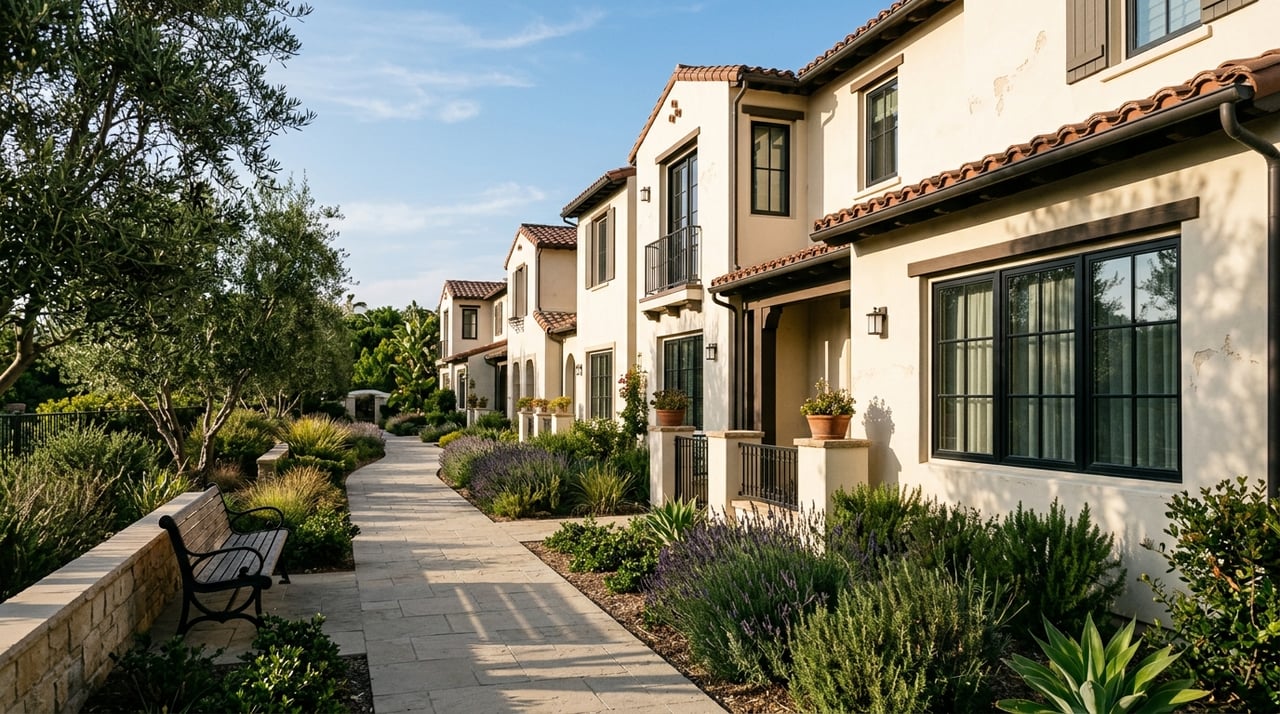
Aliso Viejo is a master-planned city in South Orange County that the city says was designed to balance homes, parks, schools, and business and retail uses. The city’s estimated population was 50,457 in July 2024, which helps explain why the area continues to attract buyers looking for a connected, planned community environment. You can learn more from the City of Aliso Viejo overview.
For buyers, the current condo market suggests you need to be ready when the right home appears. Redfin’s Aliso Viejo condo data shows about 41 condos for sale at a median listing price of $775K, with homes spending around 29 days on market.
That does not mean every condo will move instantly, but it does mean well-priced units may not sit for long. If you are financing, it helps to have your lender, paperwork, and condo questions lined up before you start writing offers.
Condo Options in 92656
One reason buyers like Aliso Viejo is the variety of condo layouts available. Current listings in ZIP code 92656 include smaller one-bedroom homes around 543 to 762 square feet, two-bedroom options around 918 to 1,162 square feet, and larger attached or detached condos with three to four bedrooms around 1,375 to 1,726 square feet.
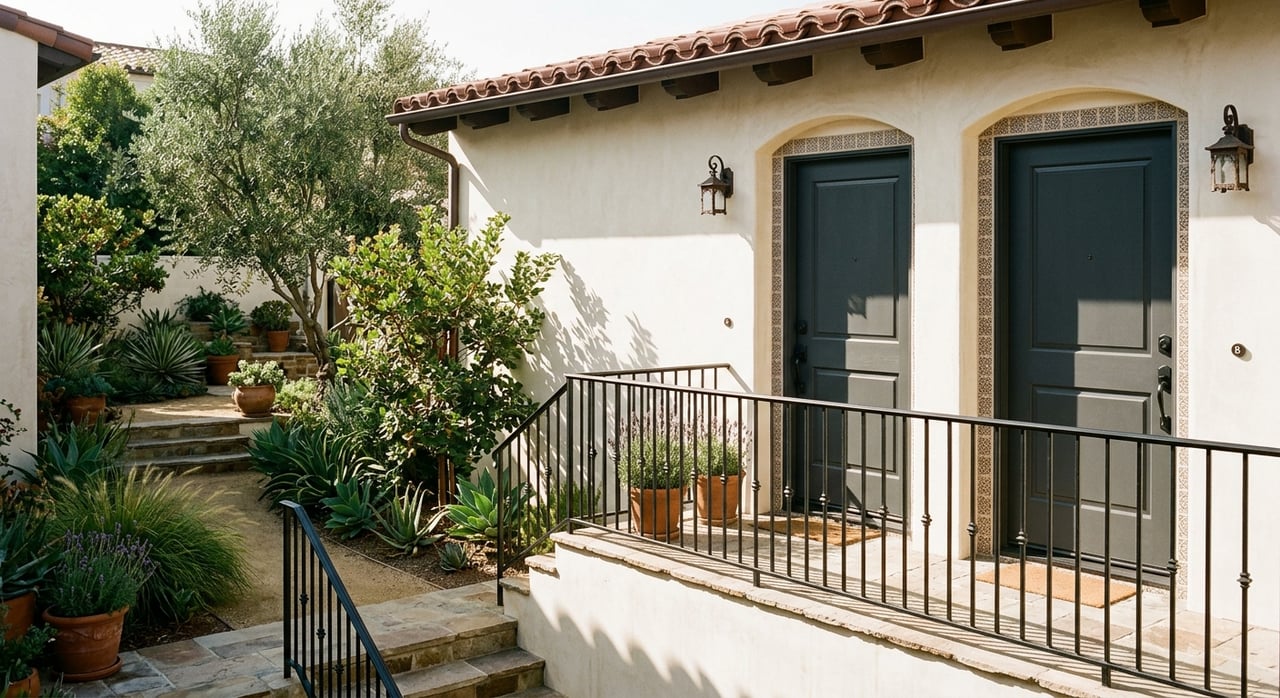
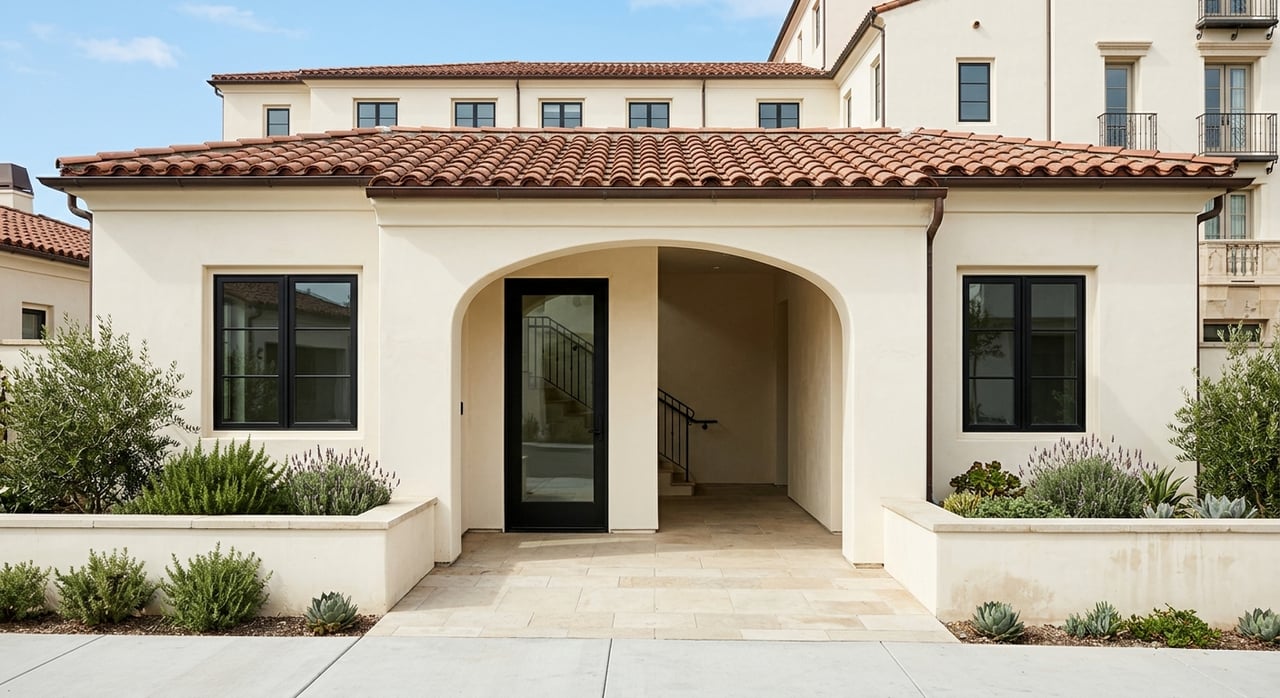
Features also vary more than many buyers expect. Depending on the community, you may see private balconies or patios, attached garages, vaulted ceilings, loft or flex areas, and gated or secure-entry settings.
In some communities, the lifestyle package is part of the appeal. For example, one Canyon Villas condo listing highlights dual primary suites, a private balcony, a detached garage, and shared amenities such as pools, a spa, a fitness center, and a clubhouse. That is a good reminder that you are often buying into both a home and a community setup.
HOA Costs Matter More Than You Think
One of the biggest differences between buying a condo and buying a detached house is the monthly carrying cost. In Aliso Viejo, that can include more than one HOA layer.
According to the city’s explanation of roles between the city and AVCA, AVCA serves as the master homeowners association for Aliso Viejo and handles common-area maintenance such as parks, greenbelts, parkways, slopes, and CC&R enforcement, while the city handles municipal services. For you as a buyer, that can mean a condo HOA fee, a master-association fee, or both, depending on the community.
Current listings show how wide the range can be. Sampled Aliso Viejo condo dues run from about $155 per month to $614 per month, with one Canyon Villas unit at $570 and another listing at $331, according to current listing data.
That is why the lowest dues are not always the best value, and the highest dues are not automatically a deal breaker. What matters is what the dues cover, how strong the reserves are, and whether the association is keeping up with repairs.
Questions to Ask About HOA Dues
Before you make an offer, ask for clear answers to these questions:
- What is included in the monthly dues?
- Is there a master-association fee in addition to the condo HOA fee?
- Are any special assessments planned?
- How healthy are the reserves?
- What does the master insurance policy cover?
These questions are supported by California’s annual budget disclosure requirements under Civil Code 5300, which require associations to disclose reserve information, deferred repairs, possible special assessments, loans, and insurance summaries.
HOA Documents Are a Major Part of Condo Due Diligence
When you buy a condo, you are not only evaluating the unit. You are also evaluating the association behind it.
Under California Civil Code 4525, the seller must provide key HOA documents. These can include governing documents, current regular and special assessments, unpaid fines or penalties, unresolved violation notices, annual budget materials, the latest inspection report required by law, and board minutes from the prior 12 months if requested.
That document package can tell you a lot about the health of the community. It may reveal upcoming repairs, rule enforcement issues, insurance details, or financial stress that you would never spot during a showing.
Associations generally must provide requested documents within 10 days, and they may charge a reasonable preparation and delivery fee, according to California bill text guidance on timing. Because of that timeline, it is smart to order and review HOA documents early instead of waiting until the end of escrow.
Financing a Condo Can Be Different
Many buyers are surprised to learn that condo financing is not always as straightforward as financing a detached home. Your lender may review not just your income and credit, but also the condo project itself.
The association’s annual budget report must state whether the project is FHA- or VA-approved, which can matter if you plan to use government-backed financing. HUD notes that FHA can insure loans in approved condo projects or, in some situations, through Single-Unit Approval. Fannie Mae also explains that condo project reviews are designed to protect buyers from issues such as poor project finances, unresolved critical repairs, and weak master property insurance. Those requirements are reflected in the California disclosure rules in Civil Code 5300.
You should also expect your lender to include taxes and HOA dues in your payment review. The Consumer Financial Protection Bureau’s Loan Estimate guidance says the Loan Estimate should include property taxes and condo or HOA dues, and it recommends comparing multiple Loan Estimates before choosing a lender.
CFPB also notes that condo loans can cost slightly more than some other property types, and closing costs typically run about 2% to 5% of the purchase price before your down payment. That makes it especially important to budget beyond the list price.
Questions to Ask Your Lender and HOA
Keep these questions handy as you shop and negotiate:
- Is this condo project eligible for the loan type I want?
- Is FHA or VA approval important for this unit?
- Are there rental caps or leasing restrictions?
- Are there unpaid assessments, fines, or pending repairs?
- Can I review the reserve study and insurance declarations before removing contingencies?
Inspections Deserve Extra Attention
Every home purchase needs inspections, but condos have a few extra areas you should treat seriously. Shared structures and association-managed components can affect your costs long after closing.
California’s balcony inspection law under Civil Code 5551 requires condominium associations to inspect exterior elevated elements at least once every nine years, with the first inspection due by January 1, 2025. For buyers, that means balconies, decks, stairways, and similar elevated access points should be part of your due diligence conversation.
You should also pay attention to local hazard planning. Aliso Viejo’s 2024 Local Hazard Mitigation Plan identifies wildland and urban fire, earthquake, landslide, flooding, severe weather, and climate change as local hazards the city is planning for. That does not mean every condo has the same level of risk, but it does support a careful review of maintenance, insurance coverage, and reserve funding.
What the Closing Timeline Usually Looks Like
A smooth condo closing usually depends on parallel progress, not waiting for one step to finish before starting the next. The more pieces you order early, the fewer surprises you face near the end.
In practical terms, buyers should try to move these items forward early in escrow:
- HOA document ordering and review
- Lender project eligibility checks
- Unit inspections
- Insurance review
- Questions about assessments or repairs
As closing gets closer, the numbers still need one final review. The CFPB’s Closing Disclosure guidance says borrowers have three business days to review the Closing Disclosure, which gives you time to compare final figures against the earlier Loan Estimate and ask questions before signing.
Final Questions Before You Close
Before you remove contingencies or sign final papers, ask:
- Has the HOA completed the latest exterior elevated elements inspection?
- Are any repairs still outstanding?
- Did the board minutes or budget mention major repairs or future assessments?
- Do the final closing figures match the estimate, including HOA dues and insurance?
- Do you need additional personal coverage because the master policy has gaps?
Lifestyle and Location Still Count
Even with all the paperwork, buying a condo is still a lifestyle choice. Aliso Viejo offers more than floor plans and HOA budgets.
The city’s Circulation Element highlights SR-73 access, OCTA bus routes, and a pedestrian and bicycle trail network that connects activity centers and wilderness park trails. The city also points residents to recreation assets such as Aliso Viejo Ranch, Iglesia Community Center and Park, the Aquatic Center, and the Aliso Viejo Center.
When you compare condos, it helps to think beyond the unit itself. Consider how the community layout, transportation options, shared amenities, and nearby recreation fit the way you want to live day to day.
The Bottom Line for Aliso Viejo Condo Buyers
If you are buying a condo in Aliso Viejo, expect more moving parts than a simple price-and-square-footage comparison. You will want to study the HOA structure, monthly dues, reserve strength, financing rules, insurance details, and inspection history as carefully as you look at the kitchen or view.
The good news is that this extra work can protect you. When you know the right questions to ask and review documents early, you put yourself in a stronger position to buy with confidence.
If you want patient, step-by-step guidance as you compare condos and sort through HOA details, connect with Kitty Platt for clear support throughout your home search.
FAQs
What should you expect from HOA fees when buying a condo in Aliso Viejo?
- HOA fees can vary widely by community and may include both a condo HOA and a master-association fee, so you should confirm what the dues cover, whether assessments are planned, and how strong the reserves are.
What documents should you review before buying an Aliso Viejo condo?
- You should review the HOA governing documents, annual budget materials, assessment information, insurance summaries, any unresolved violations, inspection reports, and board minutes if requested.
What financing issues can come up with an Aliso Viejo condo purchase?
- Condo financing can involve project eligibility reviews, FHA or VA approval questions, insurance checks, and lender review of HOA dues, taxes, and association finances.
What inspections matter most for an Aliso Viejo condo?
- In addition to your unit inspection, you should ask about association inspections for balconies, decks, shared stairways, and other exterior elevated elements, along with any related repairs.
How long does it take to close on a condo in Aliso Viejo?
- The timeline can vary, but condo escrows tend to go more smoothly when HOA documents, lender project reviews, inspections, and insurance questions are handled early in the process.