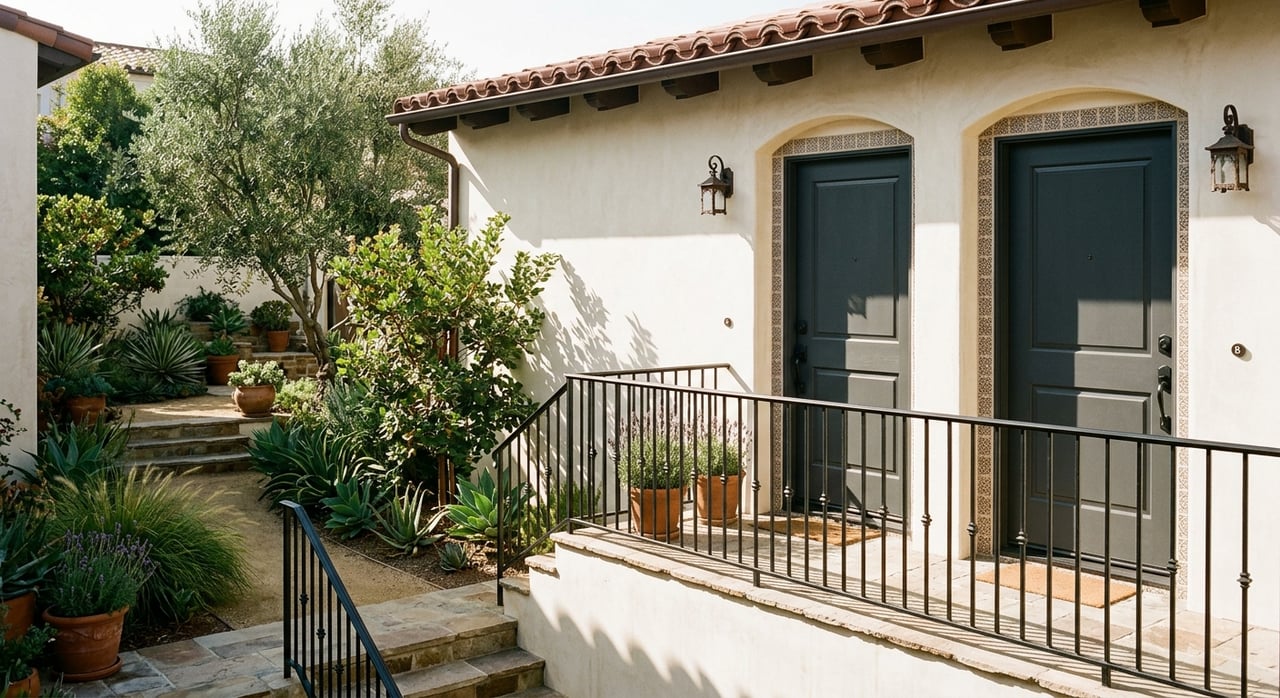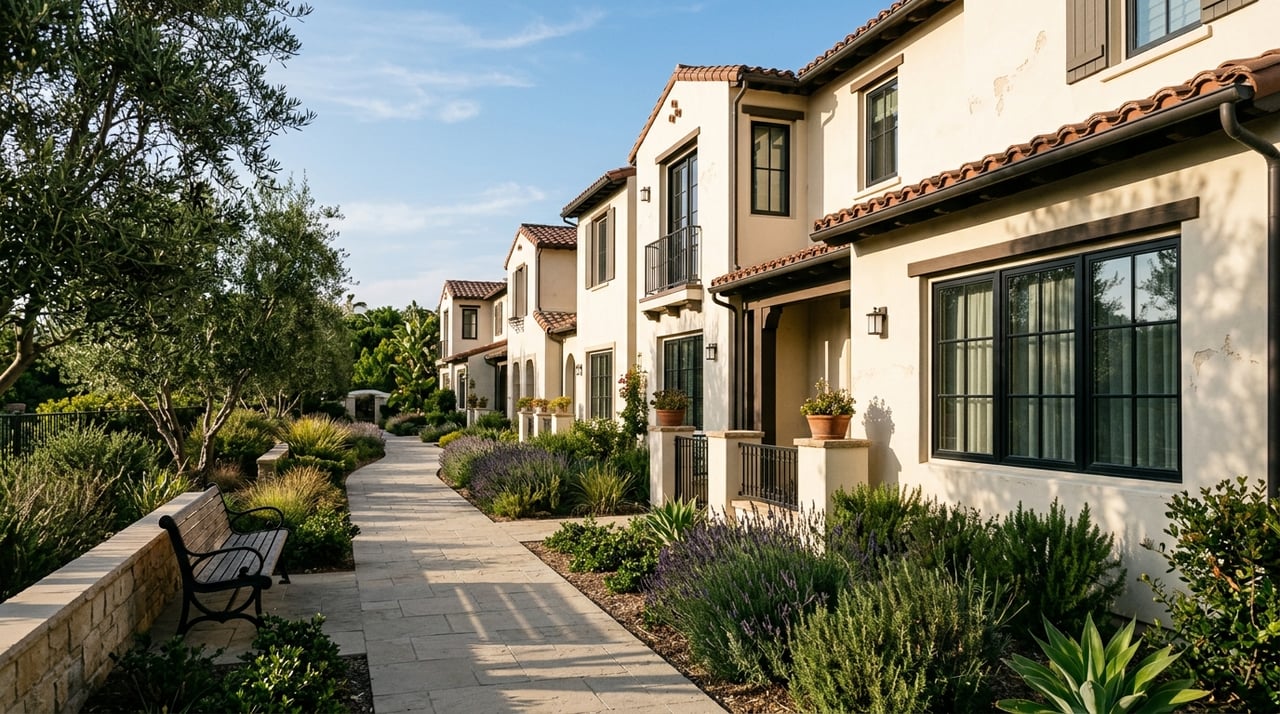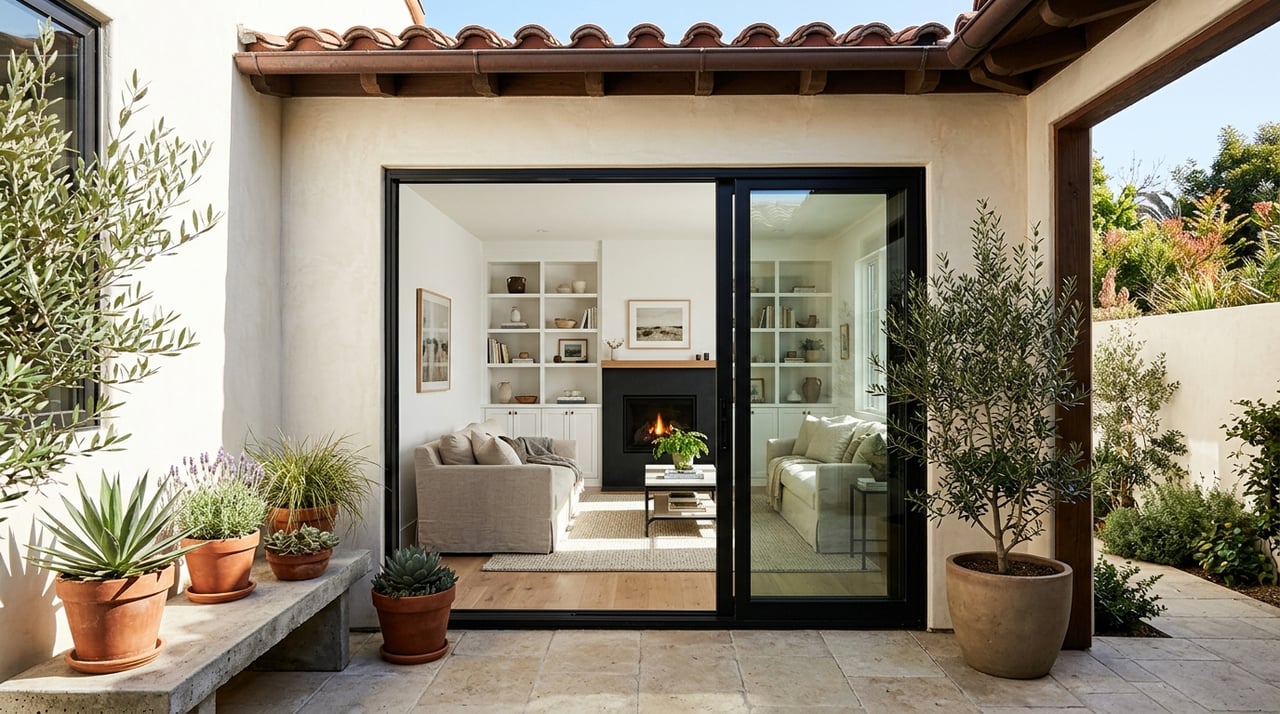
If you picture retirement in Laguna Beach, you may be imagining ocean air, easy mornings, and a simpler home to care for. A condo can fit that vision well, but in this market, buying the right one takes more than falling in love with a view. You need to understand pricing, HOA documents, transportation, building condition, and whether the property truly fits the way you want to live. Let’s dive in.
Why Laguna Beach condos need a careful plan
Laguna Beach is a high-cost, low-inventory condo market. According to the Laguna Board of REALTORS January 2026 update for 92651, there were 4 new condo listings, 3 pending sales, 1 closed sale, 12 active condo listings, and 6.3 months of supply, with a median condo sale price of $1.225 million.
That said, the local report also notes that condo numbers can swing sharply month to month because the sample size is small. For you as a retirement buyer, that means the headline median price is only part of the story. The better question is whether a specific condo supports your budget, comfort, and daily routine.
Focus on fit, not just price
In retirement, a condo is not just an investment. It is also the place where you will live day to day, manage expenses, and possibly age in place. That is why layout, parking, elevator access, stairs, noise, outdoor space, and ease of entry deserve as much attention as the list price.
A lower-priced unit can become expensive if the building has deferred maintenance or the HOA may need a special assessment. A higher-priced condo may still be the better fit if it offers a practical floor plan, stable HOA finances, and easier access to the services you will actually use.
Understand the HOA before you commit
When you buy a California condo in a common interest development, you automatically become a member of the homeowners association. In simple terms, you are not just buying the unit. You are also stepping into a shared financial and governance structure.
That makes the HOA packet one of the most important parts of your purchase. It should never be treated like fine print or left until the last minute.
HOA documents you should review
California resale law requires sellers to provide governing documents before transfer. Associations must also provide requested documents within 10 days, and they may provide them electronically if the records are kept electronically.
For retirement buyers, that electronic option can be especially helpful if you are relocating from out of state or comparing several properties at once. It lets you review key information before spending time and money on extra travel.
Ask to review these items carefully:
- CC&Rs and association rules
- Bylaws and other governing documents
- Annual budget report
- Reserve summary
- Reserve study, if available
- Reserve funding plan
- Insurance information
- Any history of recent or planned special assessments
- Information about deferred maintenance or major repair projects
Why reserves and assessments matter
California law requires qualifying associations to prepare reserve studies at least once every three years and to issue annual budget information that includes a reserve summary. This matters because reserve funds help pay for future repair and replacement costs in common areas.
If reserves are weak, owners may face increased dues or special assessments. California law also treats regular and special assessments as a debt of the owner, and they can become delinquent after 15 days unless the governing documents allow more time. For a fixed-income or carefully planned retirement budget, this is a major reason to look beyond the monthly payment.
Build a realistic retirement budget
Many buyers focus first on the mortgage, but condo ownership usually comes with several additional costs. HOA dues are usually paid separately from the mortgage, and they can range from a few hundred dollars a month to more than $1,000 a month.
You should also plan for closing costs. A common range is 2% to 5% of the purchase price, not including your down payment. Depending on the property and location, insurance requirements may also affect your costs.
Budget items to estimate early
Before you make an offer, map out the full monthly and upfront picture:
- Purchase price
- Down payment
- Estimated monthly mortgage payment
- HOA dues
- Property taxes
- Homeowners insurance and any required supplemental coverage
- Utilities not covered by the HOA
- Expected maintenance inside the unit
- Closing costs, typically 2% to 5% of the purchase price
This kind of planning can help you avoid becoming house-rich and cash-tight. In retirement, comfort often comes from predictability as much as from location.
Consider financing limits for condos
If you plan to finance your purchase, remember that condo approval is not only about your personal qualifications. The project itself may also need to meet lending standards.
HUD notes that condo project approval can depend on factors such as insurance coverage, financial condition, title, pending legal action, physical condition, and owner-occupancy percentage. If you are hoping to use FHA or another low-down-payment option, ask early whether the community and building are likely to meet the needed standards.
Think about daily life in Laguna Beach
Laguna Beach can be appealing for retirement not only because of its scenery, but also because of its local support network. The city identifies senior housing needs as including proximity to services and transportation, and it notes that no new senior or retirement housing developments have been built in recent years.
That limited supply means true retirement-friendly options can be competitive. It also means you may need to think carefully about what kind of support you want nearby, even if the condo itself feels ideal.
Local services that may support aging in place
Laguna Beach operates the Community and Susi Q Senior Center at 380 Third Street. The city also points residents to local counseling and support programs through Laguna Beach Seniors at the Susi Q Center, along with the Laguna Beach Community Clinic.
Transportation is another practical advantage. The Laguna Beach Trolley is wheelchair-accessible, Sally’s Fund provides transportation to and from the senior center, and Age Well Senior Services provides free non-emergency medical transportation for Laguna Beach residents age 60 and older to Mission Hospital locations in Laguna Beach and Mission Viejo, plus some nearby Orange County destinations.
For many buyers, that makes condo living feel more workable. A smaller home can support a lower-maintenance lifestyle, especially if you want to stay active without relying on a car for every trip.
Know the difference between senior-friendly and 55+
This is one of the most important distinctions retirement buyers can make. A condo may be well located for retirement and near transportation or services, but that does not automatically mean it is in a legally age-restricted community.
California Civil Code 51.3 governs senior citizen housing developments, and California disclosure law requires age-restriction disclosures where applicable. If your goal is a true 55+ setting rather than simply a condo that works well for retirement, be sure to confirm the legal status of the community.
What this means in Laguna Beach
Laguna Beach does have some senior-oriented housing, but the city reports limited supply. Buyers who want a clearly age-qualified environment often compare nearby options as well.
One widely recognized comparator is Laguna Woods Village, which describes itself as a gated 55+ village about 10 minutes from Laguna Beach, with one occupant required to be 55 or older. If your priority is age-qualified living with rules and amenities designed around that structure, it can help to compare those options side by side before choosing a conventional Laguna Beach condo.
Check rental rules before you buy
Some retirement buyers hope to use a condo part time, rent it seasonally, or offset costs with rental income. In Laguna Beach, that assumption needs careful review before closing.
The city says its updated short-term lodging ordinance took effect July 1, 2025, with enforcement beginning October 1, 2025. Short-term lodging is no longer allowed in residential districts R-1, R-2, and R-3, while certain commercial and mixed-use areas may allow it subject to permits, licensing, tax registration, parking and occupancy rules, and nuisance controls.
City rules and HOA rules both matter
Even if a use appears possible under city rules, the HOA may still restrict rentals more tightly. That is why you should verify both sets of rules before you rely on any future income plan.
If rental flexibility matters to you, ask these questions early:
- Are short-term rentals allowed by the city in this location?
- Does the HOA allow short-term or part-time rentals?
- Are there minimum lease terms?
- Are there occupancy, parking, or permit requirements?
- Have the rules changed recently or are changes being discussed?
A smart buying approach for retirement
The right Laguna Beach condo can support a beautiful next chapter, but the best choice is usually the one that works on paper and in real life. That means looking closely at the HOA, budgeting beyond the mortgage, confirming legal use, and choosing a location that supports your routine.
If you are comparing Laguna Beach with nearby 55+ options, it helps to work with professionals who understand how retirement goals shape a purchase. A patient, step-by-step process can save you time, reduce stress, and help you buy with confidence.
If you are exploring retirement-friendly condos in coastal Orange County or weighing Laguna Beach against nearby 55+ communities, Kitty Platt can help you sort through the details with clear, local guidance.
FAQs
Are HOA dues included in a Laguna Beach condo mortgage?
- Usually not. HOA dues are typically paid separately from your mortgage payment.
What HOA documents matter when buying a retirement condo in Laguna Beach?
- The key items include the governing documents, annual budget report, reserve summary, reserve study, reserve funding plan, insurance information, and any record of recent or planned special assessments.
Can you buy a Laguna Beach retirement condo remotely?
- Yes, and California law allows associations to provide requested documents electronically if they keep them in electronic form, which can make remote review easier.
Can you use a Laguna Beach condo as a short-term rental in retirement?
- Maybe, but you must verify both city rules and HOA rules before closing because Laguna Beach has restrictive short-term lodging rules and HOA restrictions may be tighter.
Is every retirement-friendly condo in Laguna Beach a 55+ property?
- No. Some condos may be well suited for retirement because of location or layout, but only legally age-restricted communities qualify as true 55+ housing.
Is Laguna Beach or Laguna Woods Village better for a 55+ condo buyer?
- It depends on your goals. Laguna Beach may appeal if you want a coastal location and can find the right condo, while Laguna Woods Village may be worth comparing if you specifically want a legally age-qualified 55+ community.